Online Residual Chlorine Analyzer: Maintenance Guide
I. Daily Inspection and Visual Check
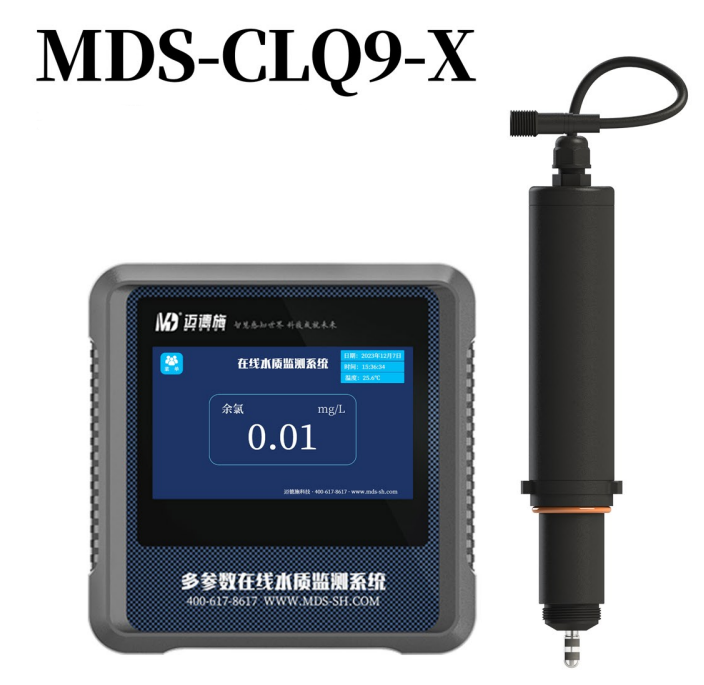
Daily inspection forms the basis for promptly identifying equipment abnormalities. It requires regular checks of the instrument's operating status, data display, and water sample flow. Inspect the equipment housing and wiring terminals for any damage, moisture, or corrosion to prevent issues such as short circuits or poor connections. Observe whether the water sample flow rate is stable, ensuring it meets the equipment's operational requirements to avoid any impact on electrode response accuracy due to flow-rate irregularities. Additionally, check the flow cell for blockages, leaks, or fluid accumulation, and promptly clean any debris inside to maintain unobstructed water sample flow, thereby creating stable working conditions for the measurement.
II. Core Electrode Maintenance
The electrode is the core component of the analyzer, and the quality of its maintenance directly determines measurement accuracy. Regularly clean the electrode surface to remove contaminants such as scale, biofilm, and grease. Use gentle tools and appropriate reagents during cleaning to avoid scratching the sensitive membrane. Periodically inspect the integrity of the electrode membrane; if damage, aging, or passivation is found, replace it promptly. Replenish or replace the internal electrolyte solution on schedule, ensuring it is sufficient and not degraded to maintain normal ion conductivity. When electrode sensitivity decreases after prolonged use, perform an activation treatment according to specifications to restore its response performance.
III. Calibration Management
Regular calibration is key to ensuring the accuracy of measurement data. The calibration interval must be strictly set according to the equipment specifications and water quality conditions. Use a standard residual chlorine calibration solution, ensuring its temperature is close to that of the water sample being measured to minimize errors caused by temperature differences. Thoroughly clean the electrode before calibration to remove any residual contaminants and ensure it is in a stable working condition. After calibration, verify the data deviation. If the error remains outside the allowable range after multiple calibration attempts, investigate issues such as electrode aging or membrane contamination, address them promptly, and then recalibrate.
IV. Maintenance of Tubing and Auxiliary Components
Regularly inspect auxiliary components such as the sampling tubing, filter, and peristaltic pump. Clean sediment and debris inside the tubing to prevent blockages that could affect water sample delivery. Check the pump tubing for wear and aging; replace it if elasticity decreases or damage is found to ensure stable water sample transport. Verify the equipment's sealing performance to prevent water ingress or leakage that could damage internal components. Additionally, ensure wiring terminals are securely tightened to avoid signal transmission issues caused by loose connections.
V. Storage and Protection During Idle Periods
Before a long-term equipment shutdown, thoroughly clean the electrode and properly seal its sensitive areas for protection. Store the electrode in a dry, light-proof, and temperature-stable environment. When re-commissioning the equipment, first inspect the electrode's condition and complete activation and calibration procedures before putting it into operation to avoid inaccurate data caused by direct startup. For daily storage, keep the equipment away from corrosive gases, strong light, and high-temperature environments, ensuring the storage area remains clean and dry.
Previous: Working principle analysis of digital nitrite ion sensor
Next: How to detect COD content in water quality

 WhatsApp