Application of Online Refractometers in the Food and Beverage Industry
I.Beverage and Juice Production
In the production of juices, soft drinks, and flavored beverages, inline refractometers are mainly used to monitor the mixing ratio of concentrated juice to water.
1. Blending Control: By measuring the Brix level of a mixture in real time, manufacturers can ensure the accurate addition of ingredients, preventing the need for rework or the loss of concentrated raw materials due to concentration deviations.
2. Interference Resistance: For juices containing pulp or pigments, digital refractometers remain unaffected by color, fibers, solid particles, or air bubbles, consistently delivering reproducible measurement results.
3. Product Interface Detection: When switching between different types of beverages on a filling line—such as flavored mineral water and sugar-free drinks—refractometers can rapidly identify the interface between products. This reduces changeover times and minimizes waste generated during the transition.
II. Dairy and Fermentation Monitoring
1. Dairy Concentration: During milk evaporation or whey protein filtration, refractometers monitor total solids content to optimize steam input or evaluate the efficiency of membrane filtration.
2. Fermentation and Brewing: In beer brewing, they are used to monitor wort concentration; in winemaking, they track changes in sugar content and alcohol levels, helping to determine key process milestones.
III.Sugar and Sweetener Processing
During sugar dissolution or syrup preparation, refractometers provide continuous monitoring of sugar concentration, ensuring that raw materials meet specifications before moving to the next stage of production. As refractometry is the standard method for measuring sugar content, this application is well-established in the sugar industry and the production of sugar-containing food products.
IV. Cleaning and Changeover Optimization (CIP)
During Clean-in-Place (CIP) procedures for filling lines or piping, refractometers can detect the interface between the product and the cleaning solution. By precisely controlling the switching point, manufacturers can prevent the product from being diluted by the cleaning agent or the cleaning agent from becoming excessively contaminated by the product, thereby conserving water and chemical resources.
V. Selection Criteria and Compliance Considerations
In the food and beverage industry, equipment is generally required to meet strict hygienic standards. Key considerations for selection include:
1. Hygienic Certification: Prioritize sensors that hold 3-A or EHEDG certification, ensuring that wetted parts and the overall design are easy to clean and resistant to microbial growth.
2. Temperature Compensation: Since Brix readings are significantly affected by temperature, it is essential to ensure the instrument features automatic temperature compensation to maintain measurement accuracy across varying process temperatures.
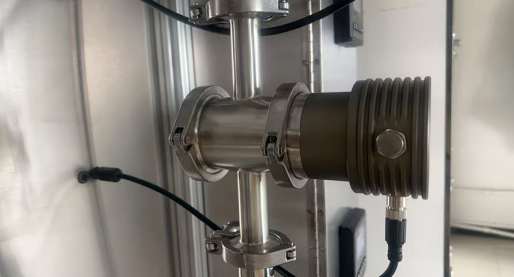
3. Installation Method: Choose between flange or clamp-style mounting based on the specific pipeline or tank configuration, while also verifying the equipment's compatibility with Clean-in-Place (CIP) processes.
In summary, an inline refractometer serves as the "eyes" for concentration monitoring in the food and beverage industry. By providing real-time data—thereby eliminating the need for manual sampling—it delivers clear value in enhancing product consistency and reducing material waste.
Previous: It's already the first one
Next: What are the applications of a refractometer, and which industries is it suitable for?

 WhatsApp