What are the applications of a refractometer, and which industries is it suitable for?
1. Core Analytical Functions
- Primary Parameter: Direct measurement of optical refractive index across transparent and translucent liquids or solids.
- Extended Optical Metrics: Advanced digital systems provide automated temperature compensation (ATC) along with measurement of optical dispersion and birefringence for comprehensive material identification.
2. Primary Industrial Applications
- Food & Beverage: Real-time determination of sugar content, fruit juice solids, honey moisture, and beverage syrup concentrations.
- Petrochemicals: Purity testing and quality verification for lubricants, diesel fuel, crude oil, and organic solvents.
- Pharmaceuticals & Healthcare: Concentration control of active pharmaceutical ingredients (APIs), IV solutions, and physiological liquid gravities.
- Chemicals & Cosmetics: Batch monitoring of cosmetic emulsions, concentrated detergents, and fragrant oils.
- Environmental & Heavy Industry: Salinity testing for marine systems, electrolyte density checks in battery manufacturing, and concentration monitoring of CNC cutting fluids/coolants.
3. Types of Refractometers
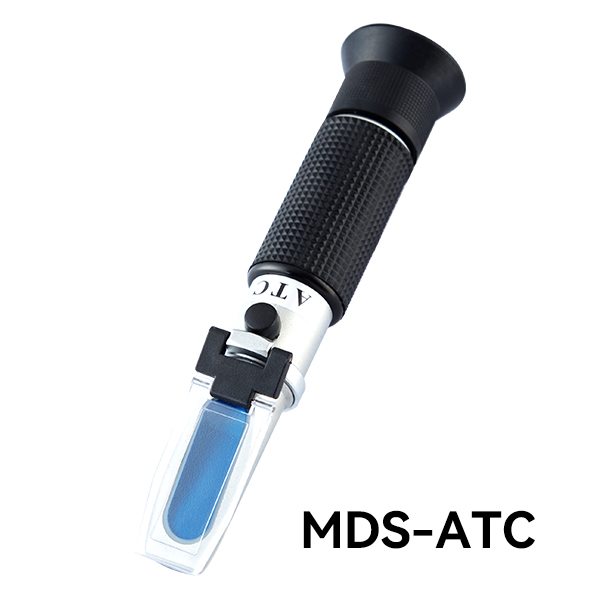
- Handheld Refractometers: Simple to operate and highly portable, these are commonly used for testing in production environments or out in the field. They typically rely on visual scale readings and are well-suited for rapid screening.
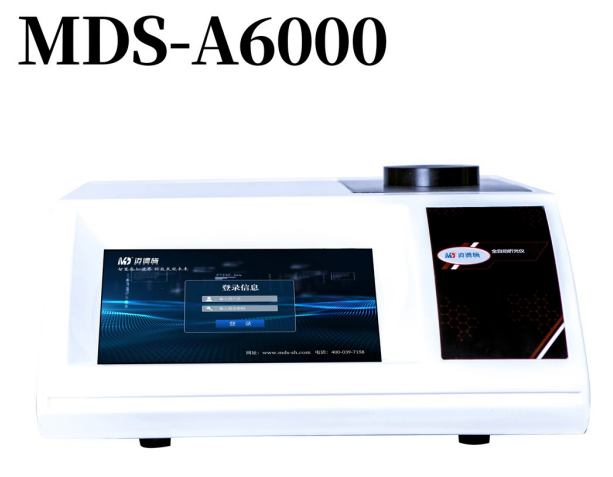
- Fully Automatic Refractometers: The standard choice for laboratory testing. They offer high measurement speed and precision, and—unlike Abbe refractometers—can effectively handle viscous or dark-colored samples; however, they generally come at a higher price point.
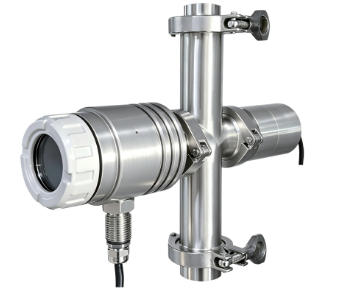
- Inline Refractometers: Designed specifically for industrial production processes, these feature sensors installed directly into pipelines or reaction vessels. They allow for continuous monitoring of fluid concentration and can output signals to control pumps and valves.
Previous: It's already the first one
Next: Near-Infrared Moisture Analyzer

 WhatsApp